The Trek
The first day of the trek was cloudy and rainy as we left out on a thirteen-kilometer hike toward the village of Samanden where we would also stay in a teahouse. To briefly explain, teahouses are stopping points along the trek that have dormitory style rooms and serve meals where hikers can sleep in beds and eat warm meals. We would spend four of the six nights in such lodgings and the other two in campsites.
So the technical difference between a trek and a hike is primarily the duration. I guess I could say that I have been on some treks before – specifically the Inca Trail and Colca Canyon in Peru and the Grand Canyon at Havasupai – but none of those prior trips was quite as extensive as this weeklong trek.
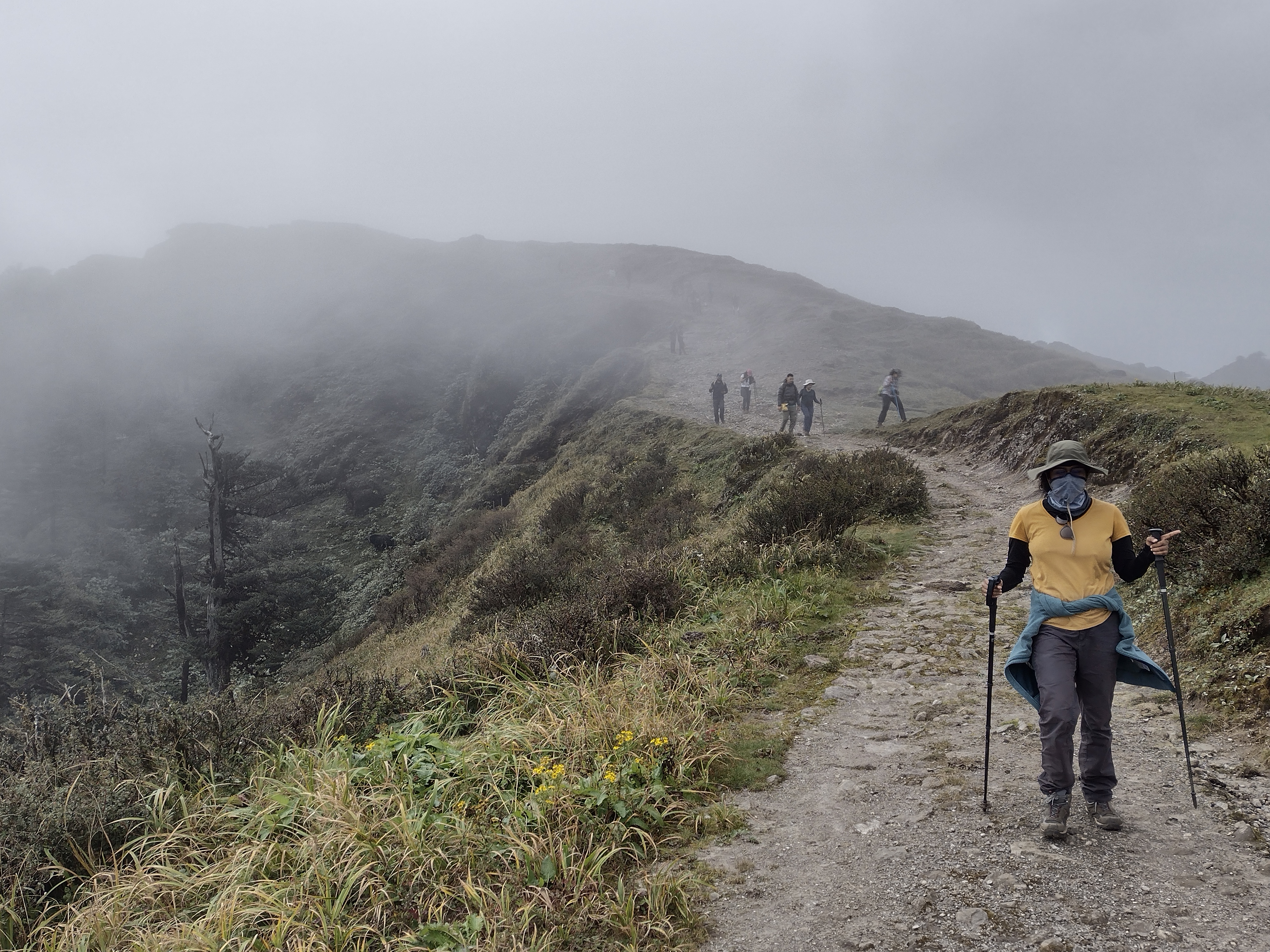 In addition to the walking, our trek leader, Deepak, would guide us on several group activities, which included a game of name volleyball, organizing our entire group into a straight line while blindfolded and the literal hugging of a tree. We were also tasked with carrying Eco Bags, which we used to gather litter strewn by other trekkers or residents of the villages along the paths. Indiahikes recycles the litter via a partner organization or sends to the landfill. (By the end of the trek, we had accumulated upwards of ten kilos of waste to be removed from the trail.)
At the end of each day’s trek, as we gathered and waited for our late evening dinner, we would play games or tell personal stories – and I mean very personal. The questions that were asked at these evening conversations led me to reveal my past struggles with alocohol and drug addiction and the series of failures that constitute my romantic life. One thing about Indians is that they are not afraid to ask, and generally pretty open to answer, some deep and personal questions.
Although the Sandakphu Trek is advertised for its spectacular views of the Kachenjunga peak and the surrounding Sleeping Buddha mountain range, as well as views of the distant Mount Everest, Mother Nature had different plans. Apparently, the monsoon season has decided to stick around longer than normal this year and the mountains have remained largely shrouded in mist for most of my time int he Himalayas. The clouds did not descend low enough into the valleys to provide views of the 20,000-plus feat peaks. Other than a fleeting scene of the Sleeping Buddha at the start of day three and a very brief glimpse of Everest on the next to last day of our trek, those views eluded us.
Some people might be inclined to call it a failure on this basis, but our trek leader encouraged us not to have expectations about what we would get out of the trip. I tried to go into each cloudy morning with that mindset.
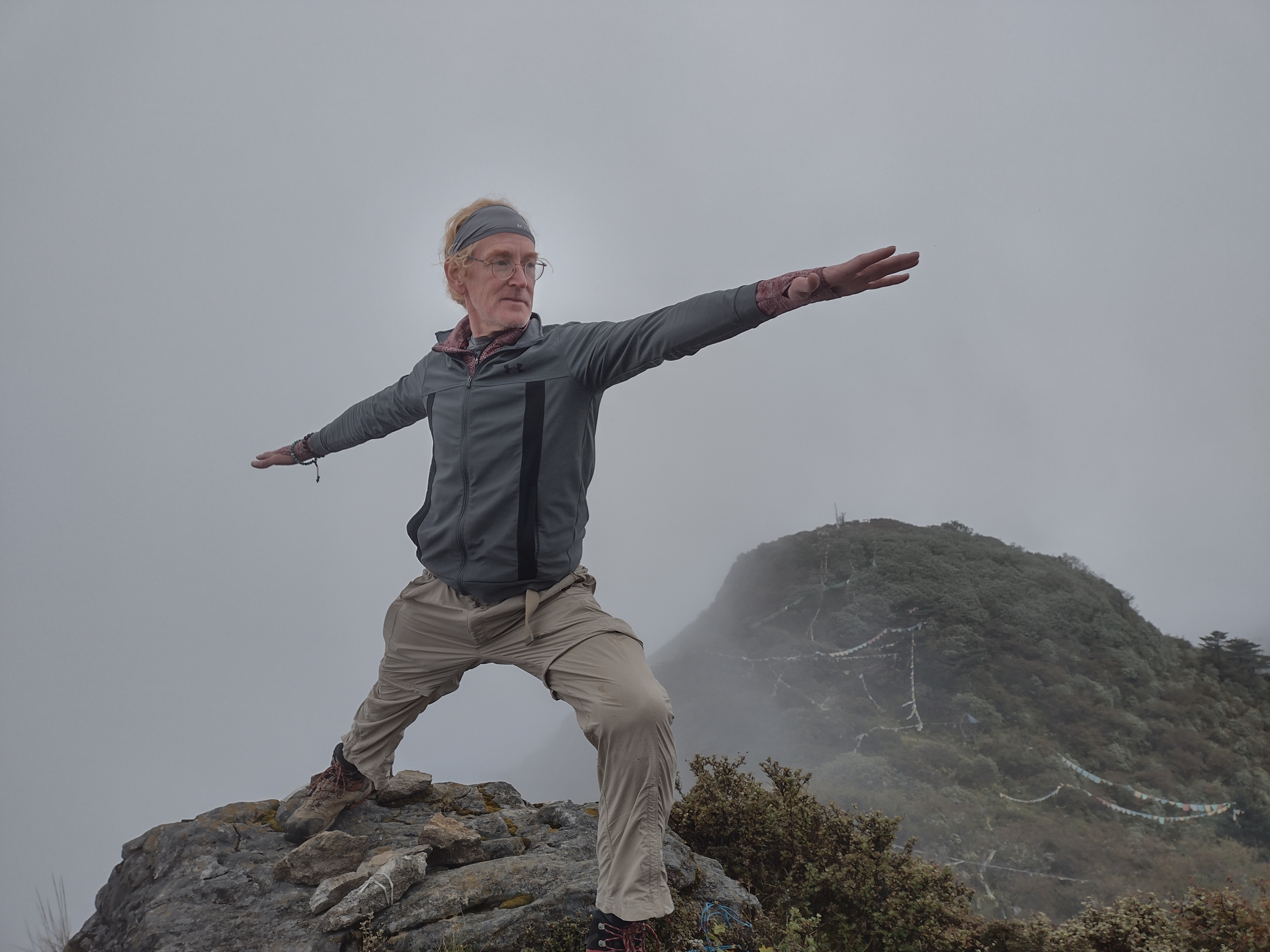
Instead, I have memories of meditating on rocks as the lead trekkers waited for the rest of the pack to catch up; eating lunch amid a clearing in a bamboo forest; sleeping in a tent on a mountaintop on the India-Nepal border; sharing stories with my fellow trekkers; and dancing to Bollywood tunes during the party at the Gurudam teahouse on the final night of the trek.
Those memories will be far more meaningful than a few photos of snow-capped mountains that anyone can view on the internet.


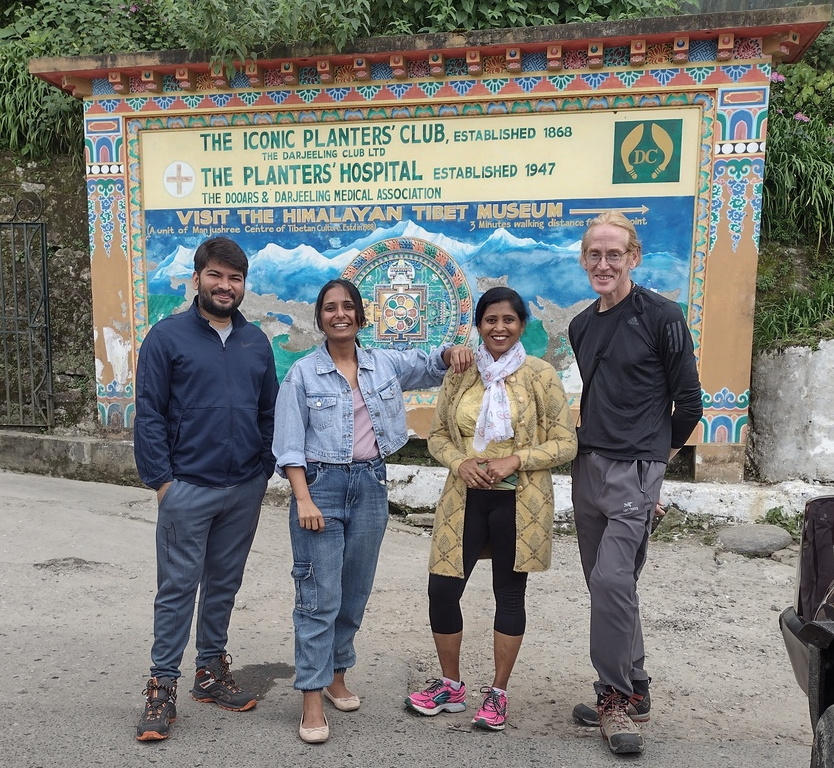
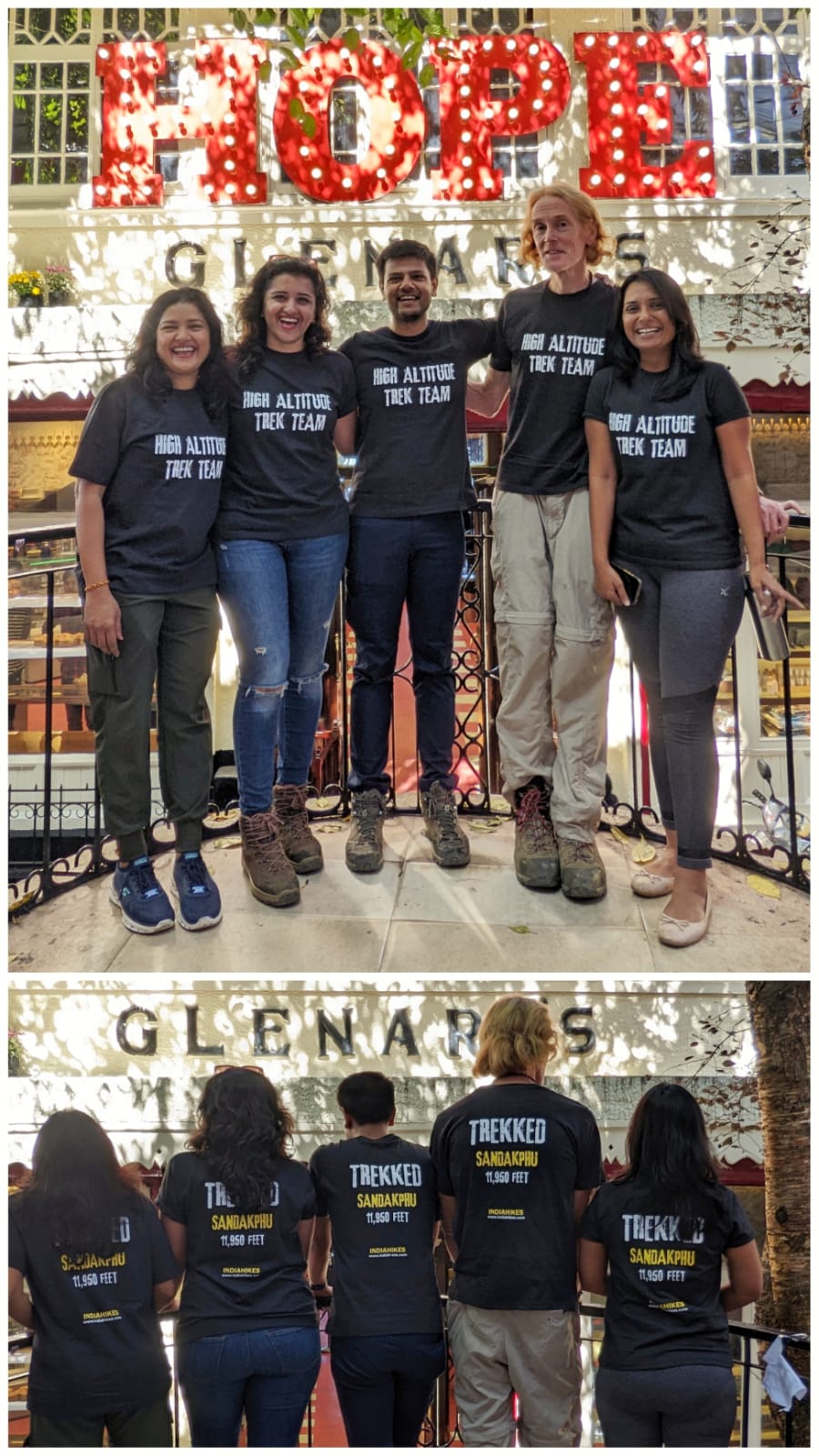 Once back in town, I got a different room at Mountaineers, a little closer to town but with not as nice a view. After my first shower in over a week, I joined Mansi, Madhavi, Aditya, Devika, Vindhya and Akshata for an evening meal at the upscale hotspot Glenary’s. The rest of the group got a little tipsy but I just had coffee and one sweet and fruity non-alcoholic concoction as we danced to a local band playing covers of American rock music, including Rage Against the Machine, AC/DC and Alice in Chains songs. I never imagined I would find myself banging my head to hard rock on my journey to the east.