Maya Devi Temple and the Monastic Zone
The massive Lumbini site, which is still largely under development, consists of a few major zones. By far, the most important one being the Maya Devi Temple site, which encompasses the marker stone and ruins of the centuries-old temple built around it, as well as the pond where the Buddha’s mother Maha Maya, bathed before giving birth and a very old and massive bodhi tree.
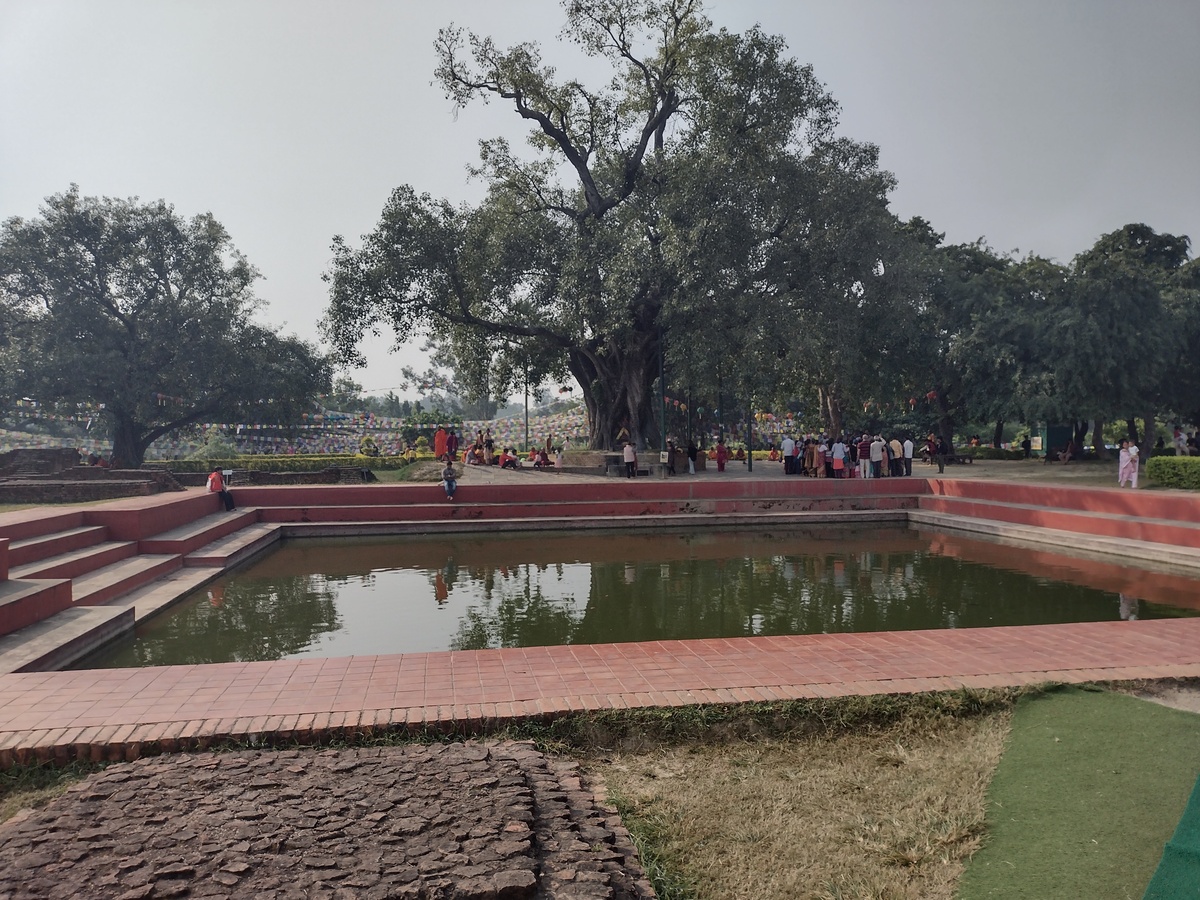 This site, which attracts approximately 1 million visitors per year is bordered to the north by the east and west monastic zones, which house dozens of monasteries and temples built by the people of various Buddhist faiths from around the globe.
There is also a bus park which has a small market where local vendors sell various Buddhist icons, mala beads and bracelets, sweets, chaat and other Nepali street food. At he very north, in a nearly undeveloped part of the site, is a Japanese Peace Pagoda, identical to the ones I visited in Darjeeling and Pokhara.
On my first full day in Lumbini, I toured this massive expanse, walking more than 30,000 steps, or roughly 24 kilometers in my open-toed Adidas slip-ons, You may think this a poor choice of footwear, but considering the number of times you remove your shoes to enter temples, it was really the most suitable option. Plus there was one point when I got off the beaten path and ended up shin-deep in the mud of an only partially developed road.
I did the main attraction first, due in no small part to the fact that it was closest to where I was staying and was the first thing I came to on the as-yet unexplored site.
It costs foreign visitors 600 Nepali rupees, or roughly $5 USD, to enter the Maya Devi site, which is no small amount for a traveler on a budget. And this a per diem fee; so if you are ever in Lumbini and planning to stay several days, you’ll want to make your limited visits to the birthplace site as meaningful as possible.
I proceeded directly to the temple, which is actually a building built around the historic ruins, and circumambulated the ancient structures clockwise before making my way up to the marker stone. While there, I remembered my friend Tenzing Drolma, the young nun whom I had met at the Dalai Lama’s teachings in McLeod Ganj. I offered her prayer to help end the suffering of all sentient beings and the placed thd Indian rupees she had given me near the birth site, along with my own prayer and rupees.
 Outside the temple, I toured the grounds, but mostly found myself thronged by groups of tourists wanting to take selfies with the foreigner. I tried to be accommodating and good-spirited about all this, but I was a pilgrim seeking a bit of serenity at a sacred spot and felt like a circus attraction. Plus when “one selfie” turns into dozens of group pictures and that leads to holding hands with teenagers for videos that will probably be posted on Tik Tok, it gets to be a little too much at times.
So I retreated inward and sat zazen by the pool. I could feel the turmoil die down some as I sat in meditation. I was, at one point, joined by two other people sitting on both my left and right but at least no one was asking me to pose for them.
When I got up and visited the Ashoka Pillar outside the temple, the selfies started ramping up again, but I was a little more Zen about it.
 After leaving the Maya Devi site, I continued to the southeast portion of the monastic zone, visiting the elaborate Cambodian monastery with its dragons and the Myanmar Golden Temple before looping around to the west side of the complex where the Korean, Chinese, Japanese and Euorpean temples are all located.
Each temple has its own unique flair, featuring depictions of the life and accomplishments of Siddhartha Guatama, both before and after his enlightenment, amid well-manicured gardens and ornate temples and stupas. Some temples permitted photos while others requested no photos be taken inside the sacred spaces.
Just getting to all the temples involved an incredible amount of walking and more stopping for selfies with Nepali Zoomers.
After visiting the entirety of the west side, I made my way north, stopping for some chaat and a sweet that had a cherry-like flavor at at the local market. I then headed north for the Peace Pagoda and back south to the northeast corner of the monastic zone that I had not gotten to yet. It was during this stretch of walking that I ended up nearly knee deep in mud.
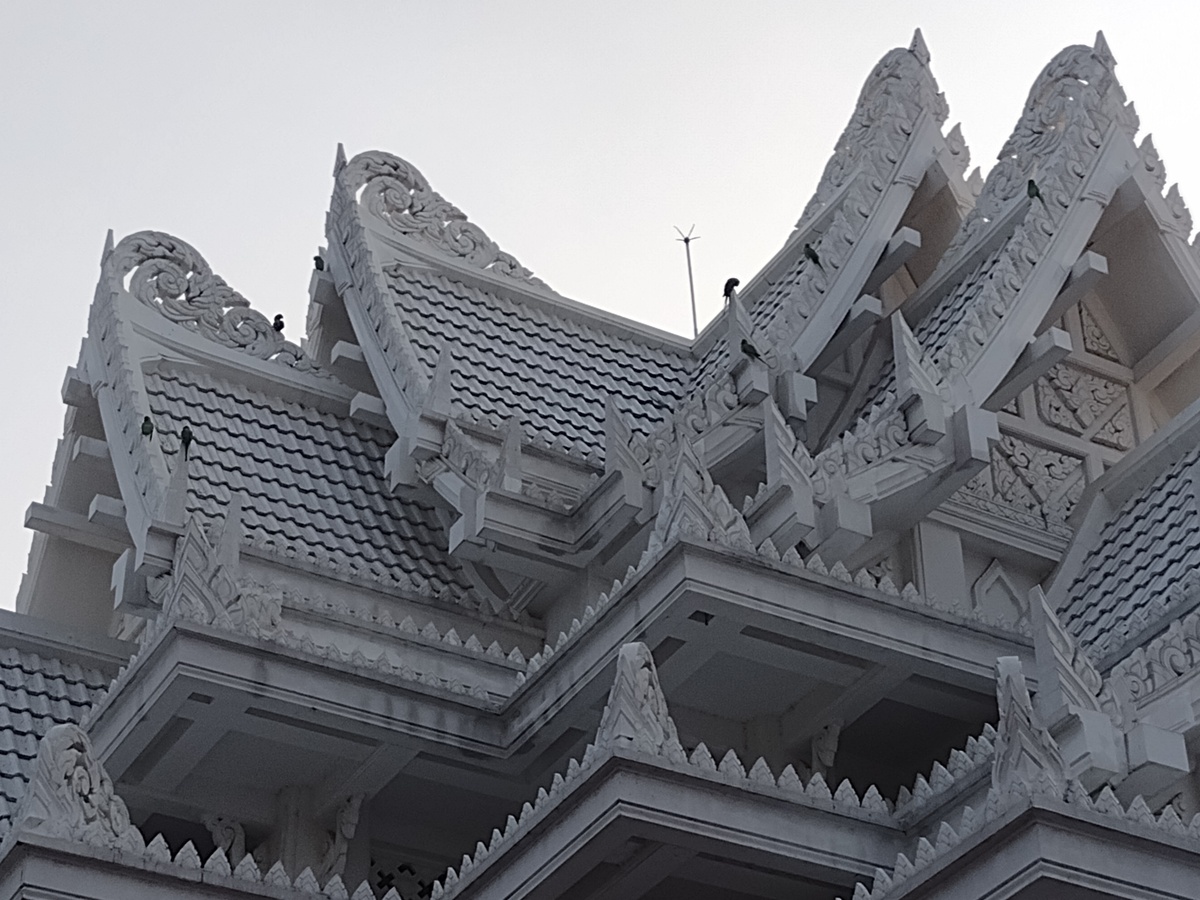 But the mud was worth it as one of the last temples I visited was the Royal Thai Monastery, which features an entirely white stone temple, upon the roof ot which about a dozen bright green parrots perched and fluttered about playfully. It was one of the most beautiful sights I had witnessed all day.
Dusk was start to settle as I stopped at the veg restaurant for more mo-mos and some cauliflower chilly before the final stretch back to the hotel.
 I had originally intended to try to stay at a monastery, but because it was getting dark and I was starting to get the impression that this unfamiliar city was a lot larger than it appears on Google Maps, I decided to take a room at a local hotel with good rates called Siddhartha’s Guest House.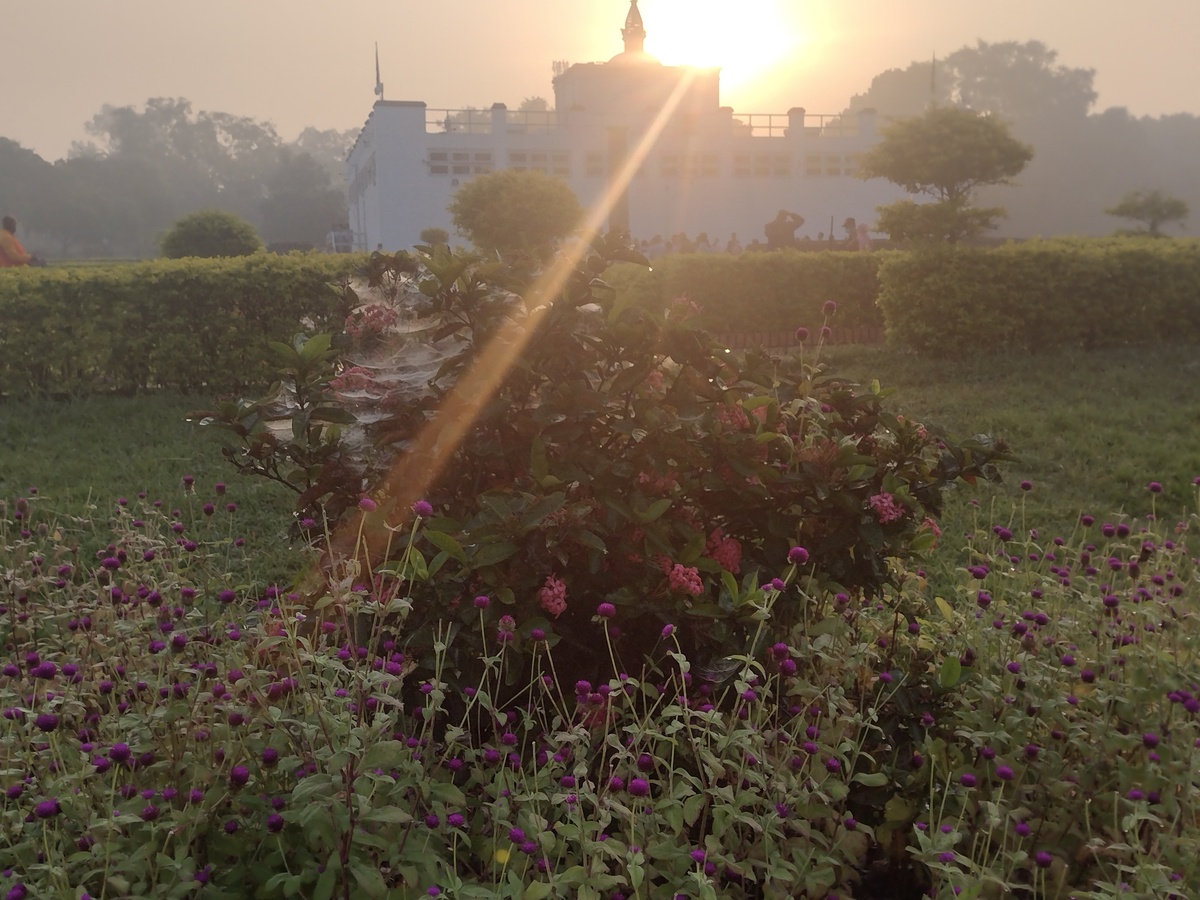

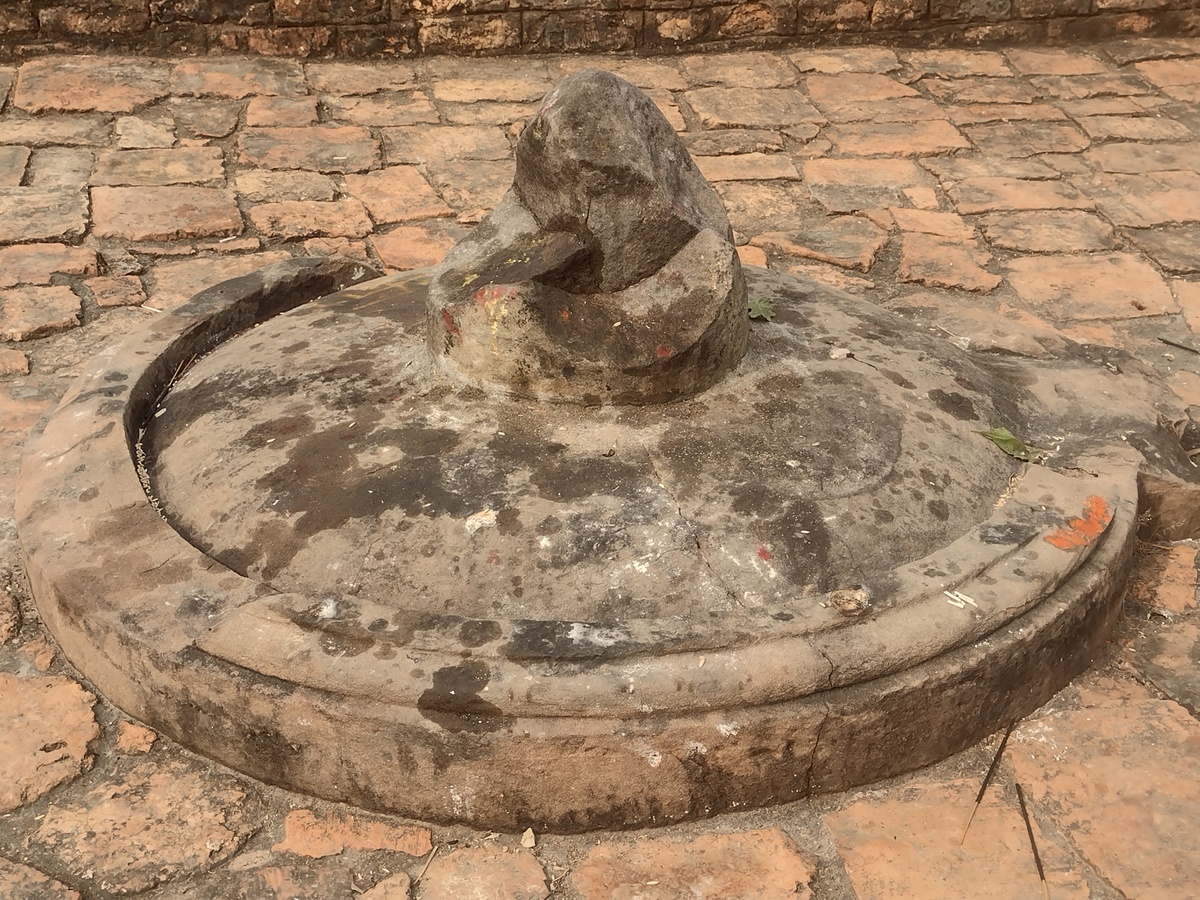 The structures at not just Kudan, but the other sites as well, have been recreated from their originals over the millennia, but the remnants are still very old by all standards. I’ve visited Inca ruins in Peru, which predated the arrival of the Spanish in the 1600s as well as the Kuelap ruins, which are slightly older than the Inca sites, but all this pales in comparison to the age of these structures.
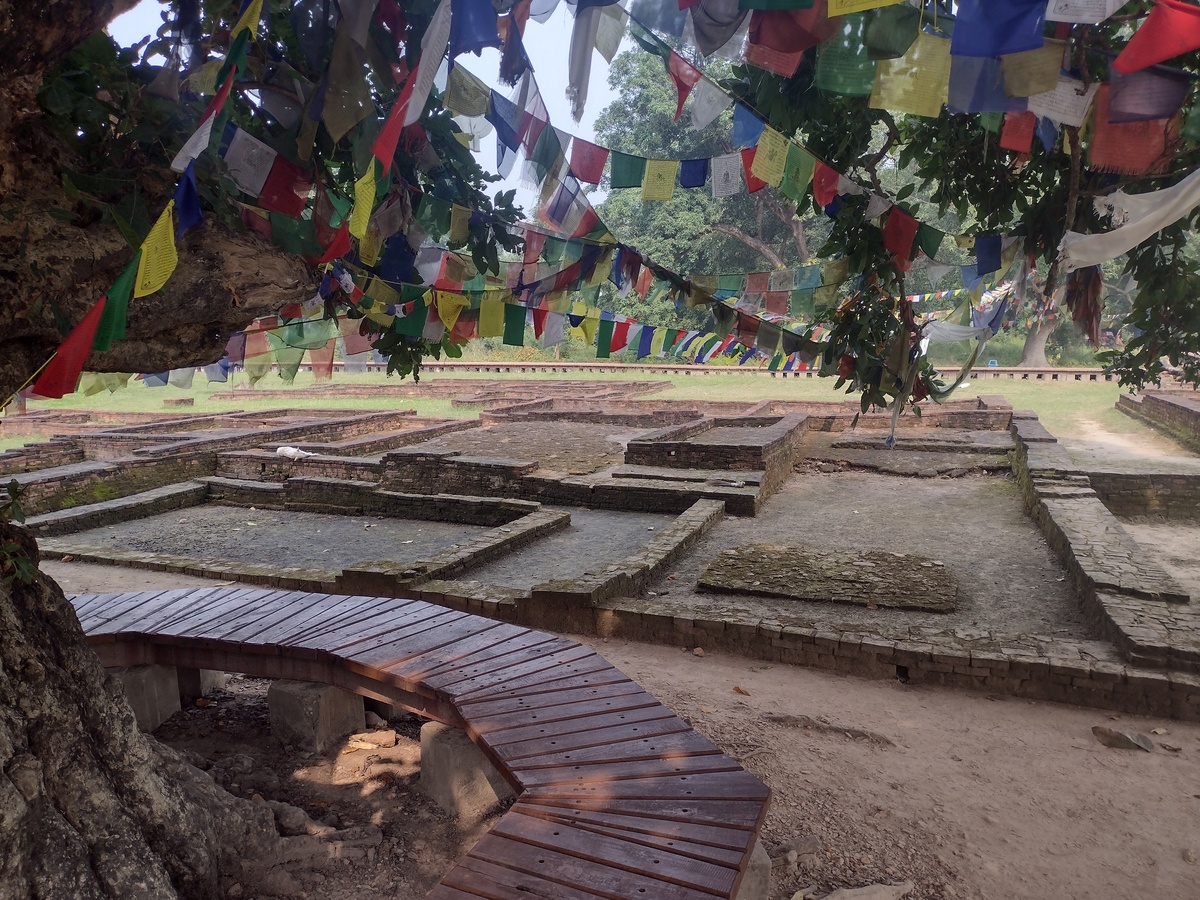 After Gotihawa, Sulav and I visited the Nepali Kapilvastu (or Tilaurakot as it is also known), the nearby museum and the twin stupas about half kilometer east of the main site.
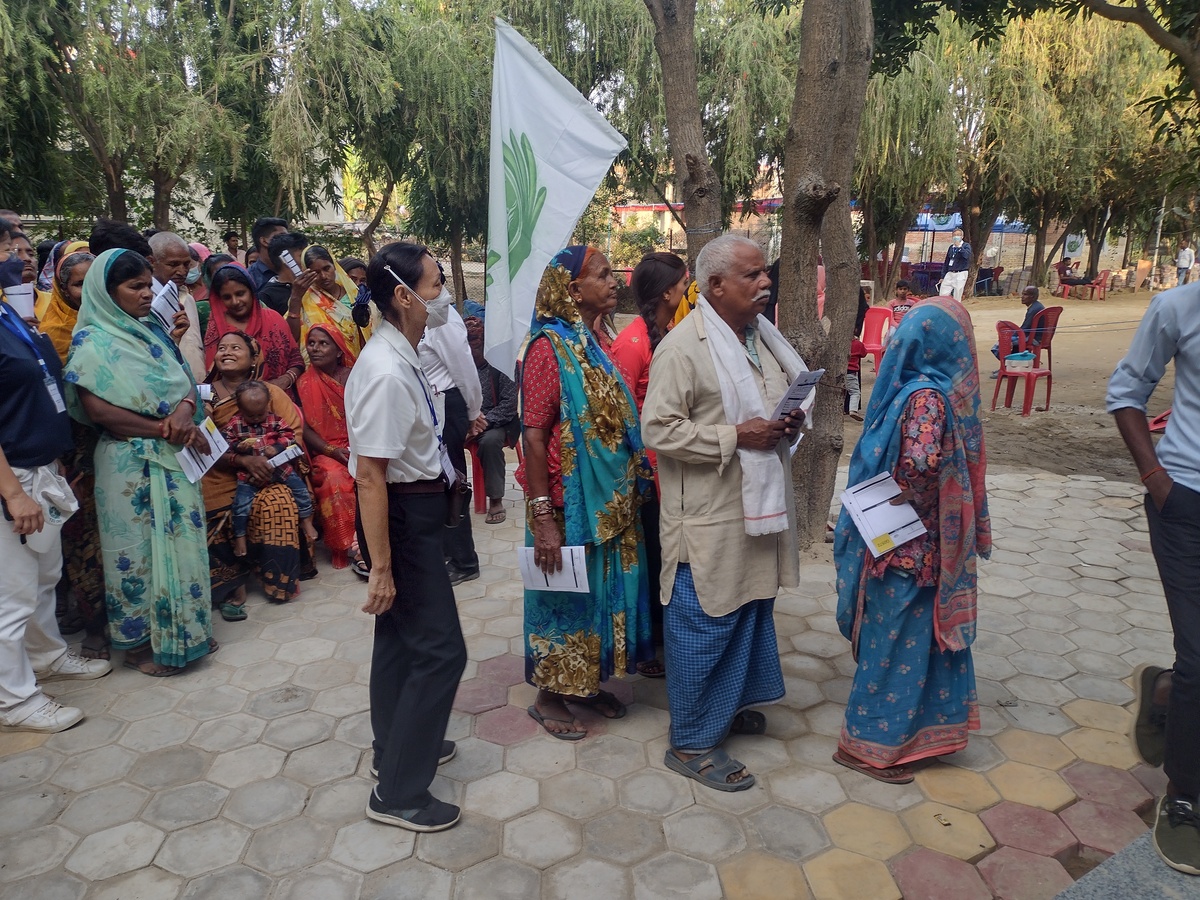 Volunteers from Taiwan, Singapore, Maylasia and other parts of Southeast Asia were present administering general practice, traditional Chinese medicine (acupuncture), gynecological, pediatric and dental services free of charge to the local Nepalis. Over the three days I volunteered at the clinic, we literally saw over 1,000 people come and wait their turn in line to receive services.