Art of Living – Sri Sri Ravi Shankar and the Sudarshan Kriya
I will skip over Kochi for the time being and write on the Art of Living community where I spent the final weekend before I came back north to Risikesh, where I am now.

Like Isha, Art of Living is the central base of a world-renowned guru named Sri Sri Ravi Shankar, and has centers in all major parts of India, along with locations in 180 countries worldwide. He is credited with helping bring an end to the bloody civil war that pitted the FARC revolutionary faction against the Colombian government for many decades, among other peaceful initiatives.
 Unlike Isha, I actually enrolled in a weekend retreat there called the Happiness Program, in which I learned a powerful breathing technique (or pranayama) called the Sudarshan Kriya. Regular practitioners of this say that prolonged practice can not only foster happiness, tranquility and a meditative mind but has been credited with healing the body from disease or injury. They say 48 days of daily practice makes a noticeable difference. I am currently on day fourteen and will report back on this later.
I was fortunate to have the opportunity to learn from one of the top teachers there, Ananda-ji, who travels the globe offering more advanced programs in the Art of Living framework. He was entertaining, but much of his discourse was in Hindi, which I am actually able to understand to some degree, but I still miss the finer points of jokes and humor.
The course focused on some other techniques we can use to be happier in our daily lives – stuff like acceptance, humility, gratitude, service to a higher power and curbing anger, jealousy and other negative emotions as they arise.
There are five sutras:
1. Opposite values are complementary. For every action there is an equal an opposite reaction. For every great passion, there is an extreme pain. For all joy there is equal sadness. Security is inversely proportional to convenience. With all love there is loss.
2. Accept people and situations as they are. Acceptance is the answer to all our problems today. When we see God’s plan working just as it should, we are happier with the world around us. Do not try to control the world around us.
3. Don’t be a football of other people’s opinions. Don’t let other people kick us around like a soccer ball. It doesn’t matter what other people think. If 99 people give us compliments and one person criticizes us, we often focus only on the negative comment.
4. Don’t look for intentions behind people’s mistakes. If we look for intentions, we will be in tension. When we are constantly looking for what makes people tick, it is spinning our wheels about nothing. Sri Sri, however, writes in a book I was reading that sometimes when we see the real reason for someone’s behavior we can sympathize with them and this seems contradictory to this sutra. I try to think “Why do I behave the same way as the person I am annoyed with?” and then I see myself in that person. It is me, doing what I do and here I am getting mad about it. Like when someone is in a rush and pushes to get ahead in line, I just think that is what I do also. It is all me doing it to me and I am just on the receiving end now. If we want to change what people around us are doing, we have to stop doing that thing ourselves.
5. The present moment is inevitable. We are here now. Everything we have done in the past has helped get us to this point in life; so we should enjoy it. If we are happy it is of our own making. If we are suffering, we caused that also through our past actions and karma. Don’t regret the past or worry about the future. Be in the moment, here and now, as much as possible.
 The other highlight of this experience was my new Russian friends, Tatiana, a young single mother and her four-year-old daughter, Erica, and the volunteer translator, Katarina. I saw lots of Russians in Goa, but I never really had much chance to interact. It was nice to get to know a real person from this land we often fear or look negatively upon. It’s important to remember that no matter how the world’s events are unfolding in the grand sphere, in the here and now, regardless of this concept of nationality, the people we interact are all the same, reflections of ourselves in the looking glass we call life.
Just like Isha, this is a great place to visit and the activities and causes they support are very worthwhile, but I didn’t quite feel “home” there, either. I do, however, want to keep practicing the Sudarshan Kriya and would consider advanced meditation programs or other activities in the future.

 They advertise free yoga, but really that is just a course that shows two basic joint mobility exercises and a lesson on the Isha kriya, which helps connect us to the vedantic concept that we are not the body, nor are we the mind; we are ultimately the unchanging screen onto which the movie is projected.
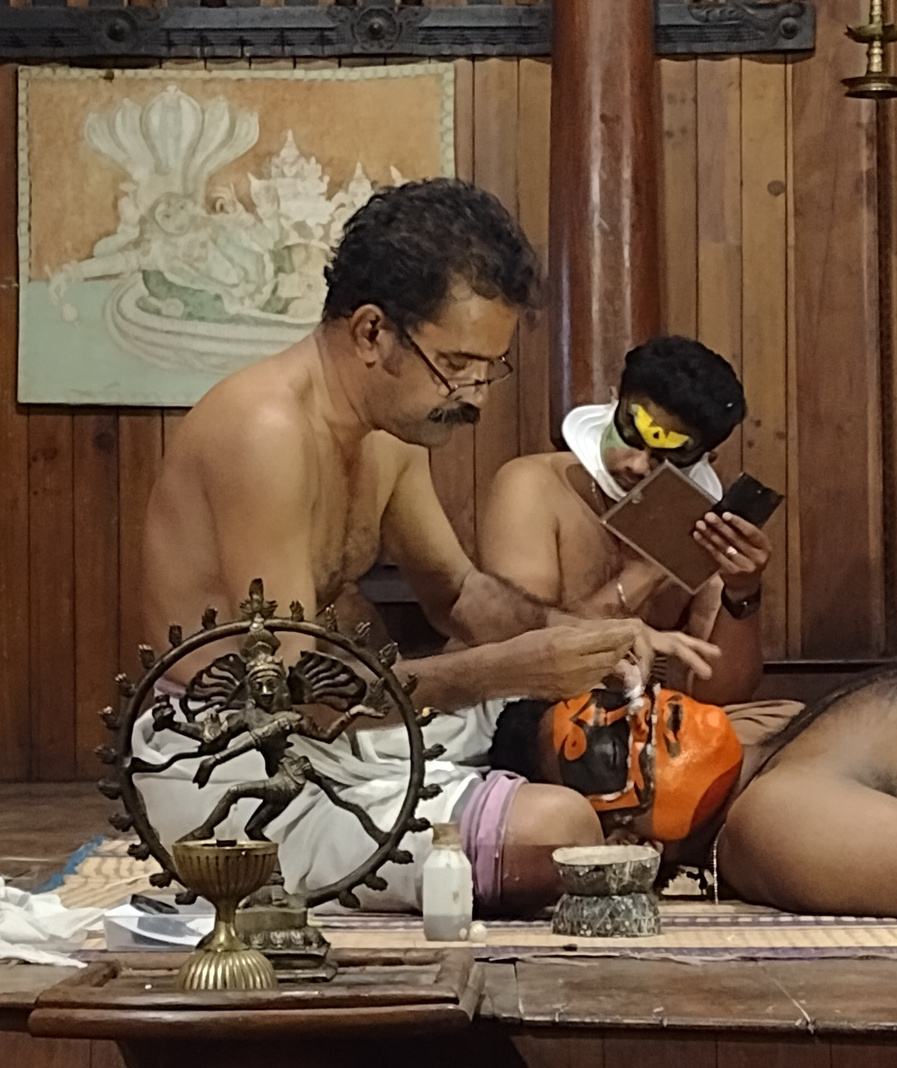
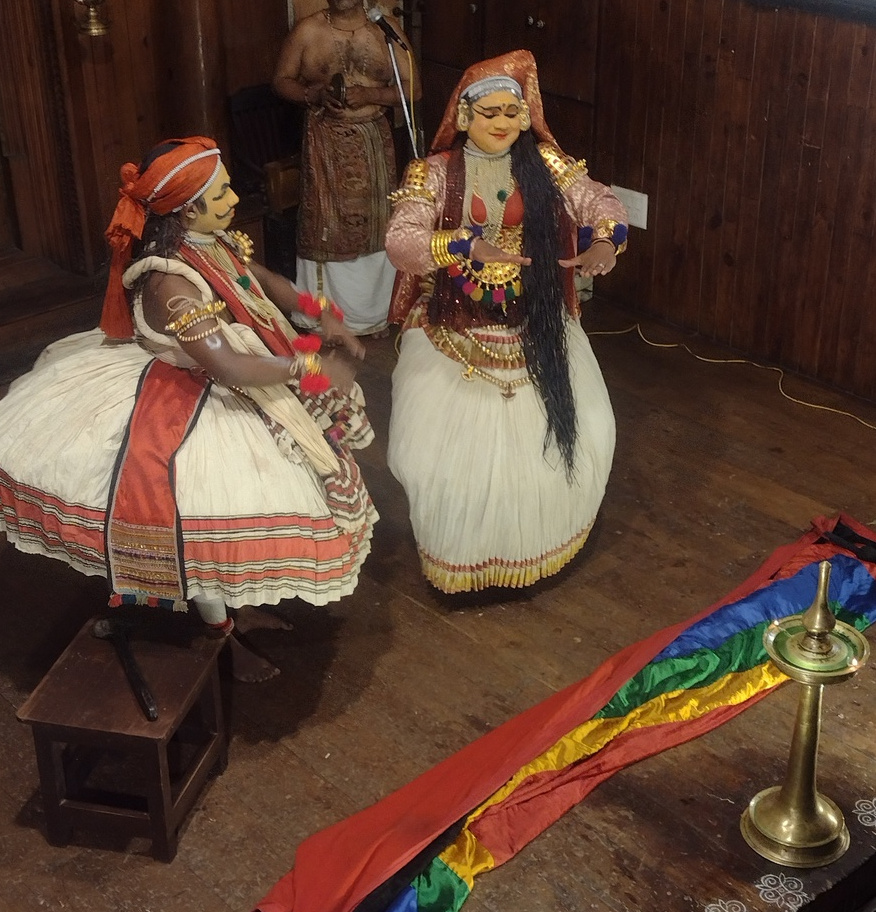 One of the most fascinating things I saw while there was a traditional dance form called Kathakali, where dancers are painted up and tell a story through their actions and expressions. There is no sound except the drums and cymbals used to accentuate the action taking place on the stage. The stories, specifically the ones I saw, were taken from the Indian classic, Mahabharata. It is a very colorful and vibrant dance style.
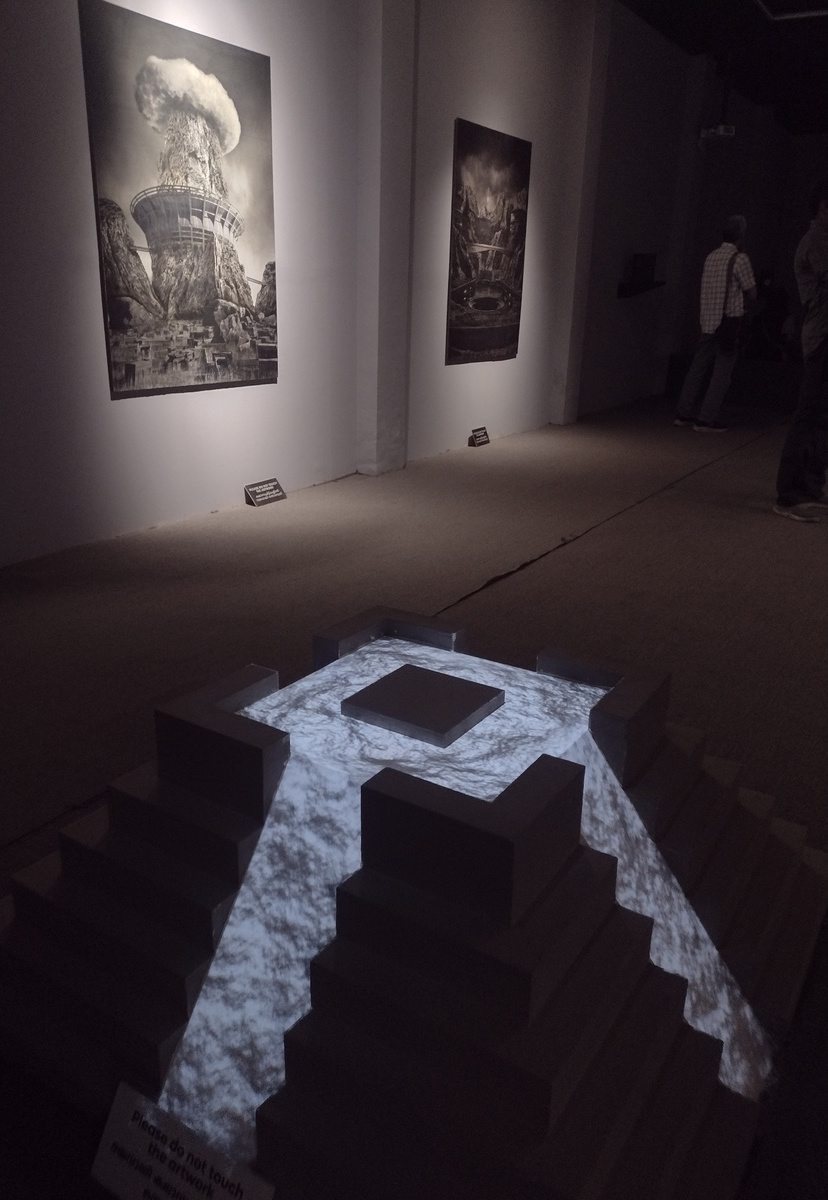 There are thousands of works of art by practicing artists from not just India, but all throughout southeast Asia. This collection is not just art, in the traditional sense, but also works of social justice that raise awareness of topics such as damages to the earth’s water sources, deforestation of the Amazon, oppression of women or other social classes and so forth.
 It was really quite an amazing exhibit with building after building filled with these unique collections. It was on par with the Massachusetts Museum of Contemporary Art recommended to me by a friend on my Rhode Trip through New England in late 2021.