It has been over a week now since the India experience officially ended, but I am still having a difficult time finding the words to express what feelings those final days inspired within me.
This has been one of the hardest blogs to get started on to date, partly because it feels like now that I am in Thailand, I am looking back on a wholly unfamiliar world. Things in Thailand feel much more akin to the familiarity of the western world than anywhere I visited in India.
There are still a lot of people in the places I am visiting, but nowhere near the sheer volume of people as India; poverty is much less rampant; traffic flows in an orderly direction; there are no cows, chickens, monkeys or random livestock roaming around the cities in Thailand; rubbish is deposited properly in waste or recycling bins.
But on the flip side, there are lots of temples and Buddhist monks in orange robes here, but the common folk seem to lack the spiritual faith of the typical Indian; the scores of western tourists and expatriates know little to nothing about yoga or eastern philosophical traditions; vegetarianism is almost as atypical as it is in America. In general, life seems orderly but mundane.
As difficult as it seems at this point, I am going to try to recap those final days in India.
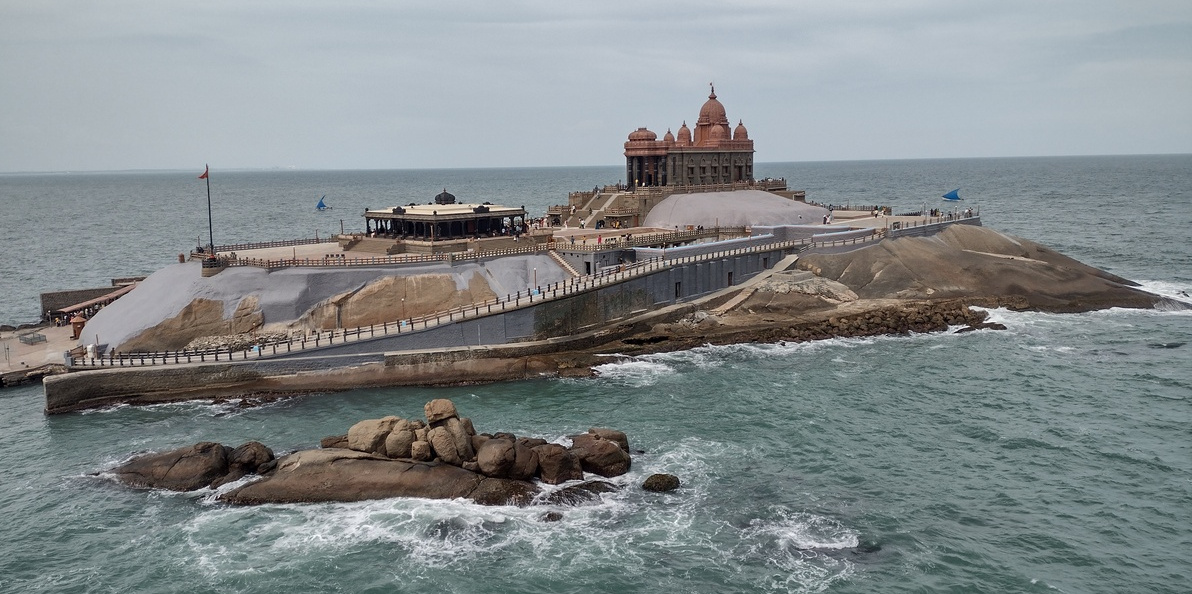
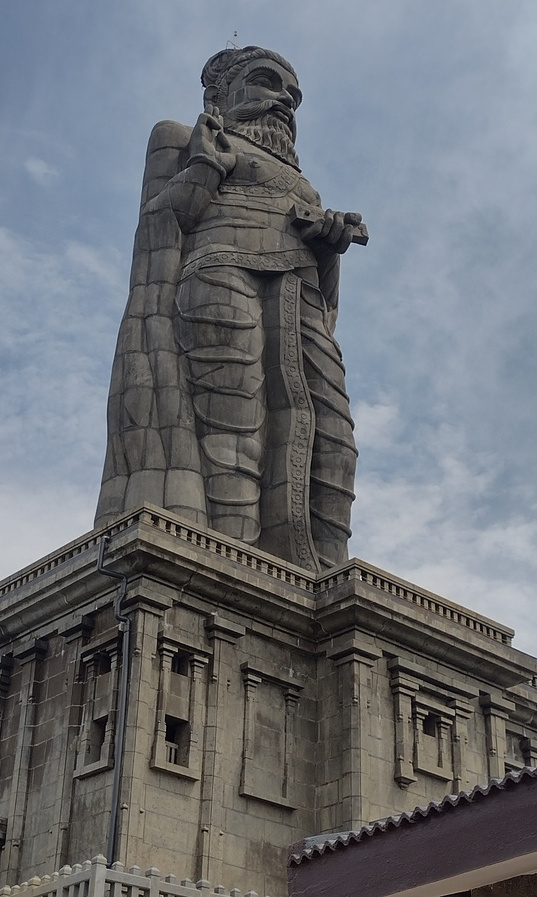
 I knew little about the place other than that it was the furthest point south in India and the place where the Indian Ocean, the Bay of Bengal and the Arabian Sea come together.
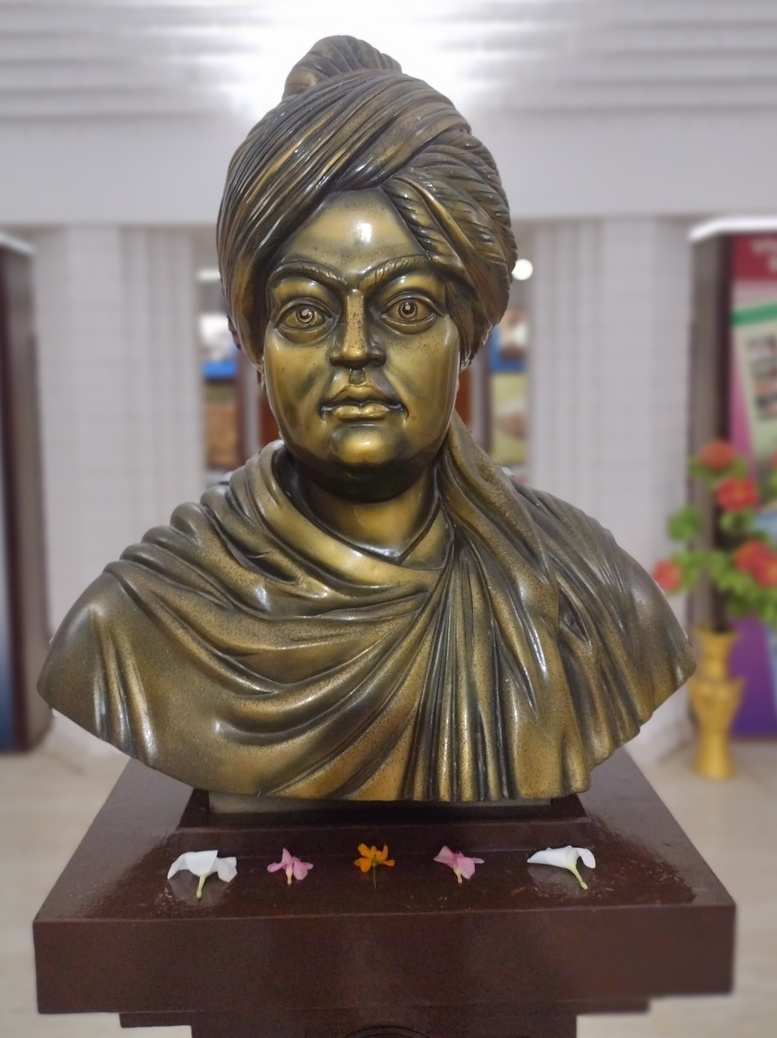
 It was from one of Vivekenanda’s books that baba Divya Prakash read to me in Hindi along the banks of the Ganga north of Haridwar as a group of social media influencers approached us about an interview – an interview that garnered nearly 8 million views on Facebook.
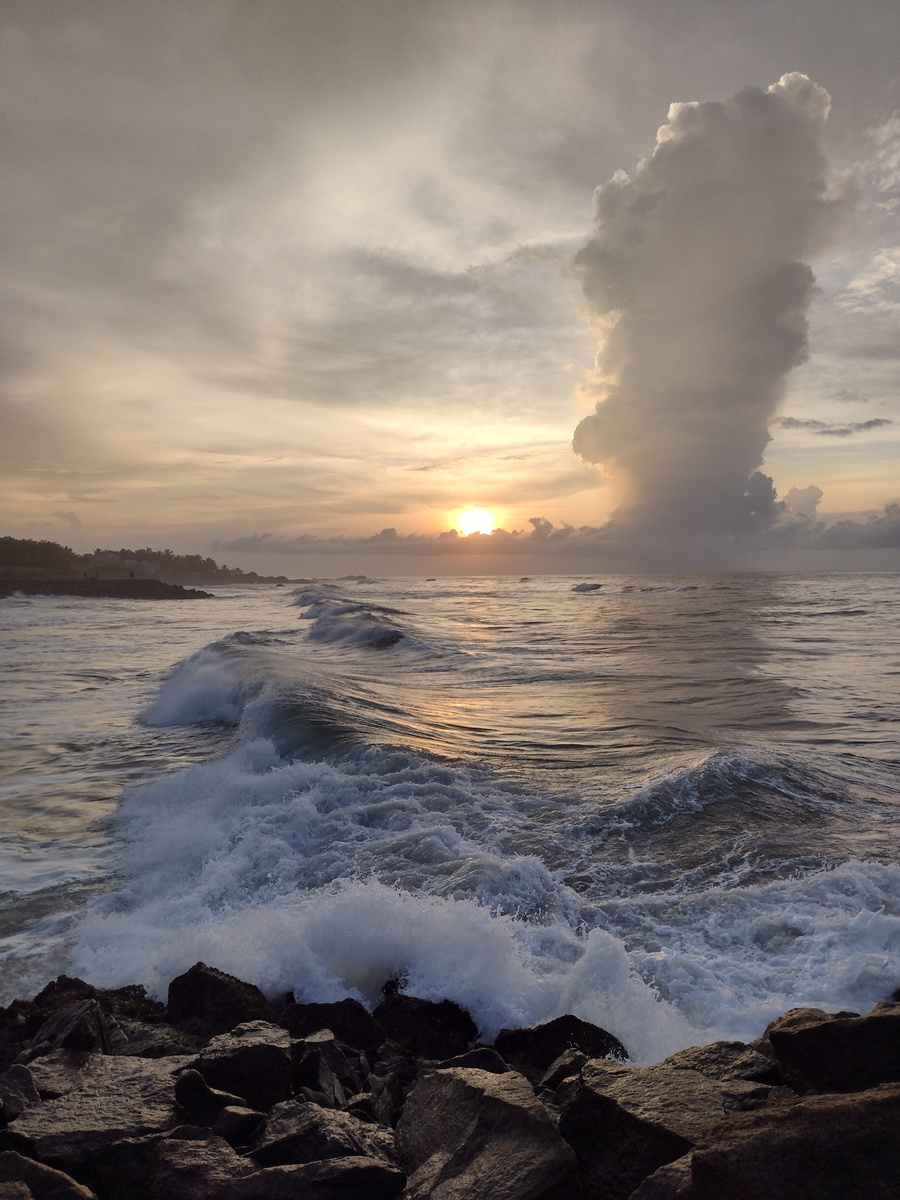 One of the cool things about Kanyakumari is that visitors can watch the sun rise over the Bay of Bengal and see it set into the Arabian Sea just a few kilometers away.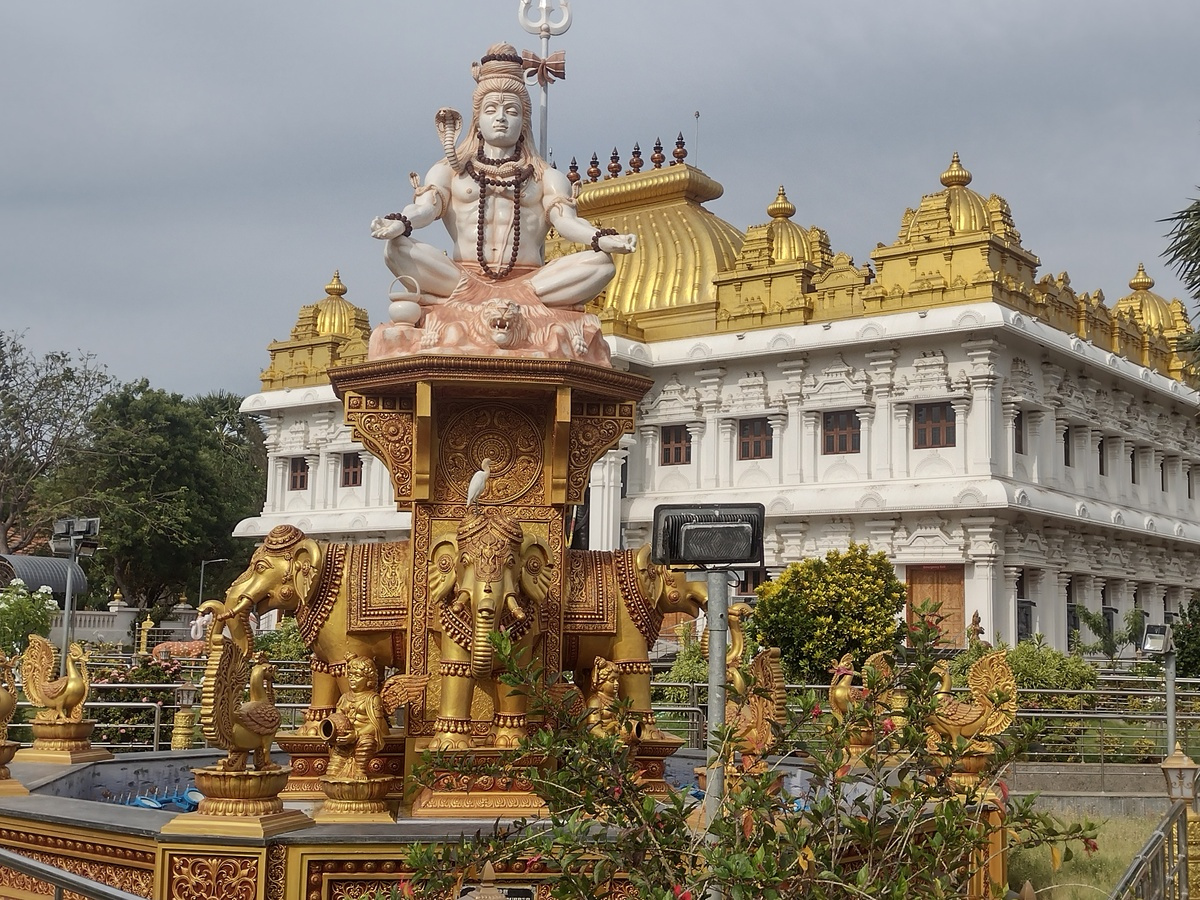
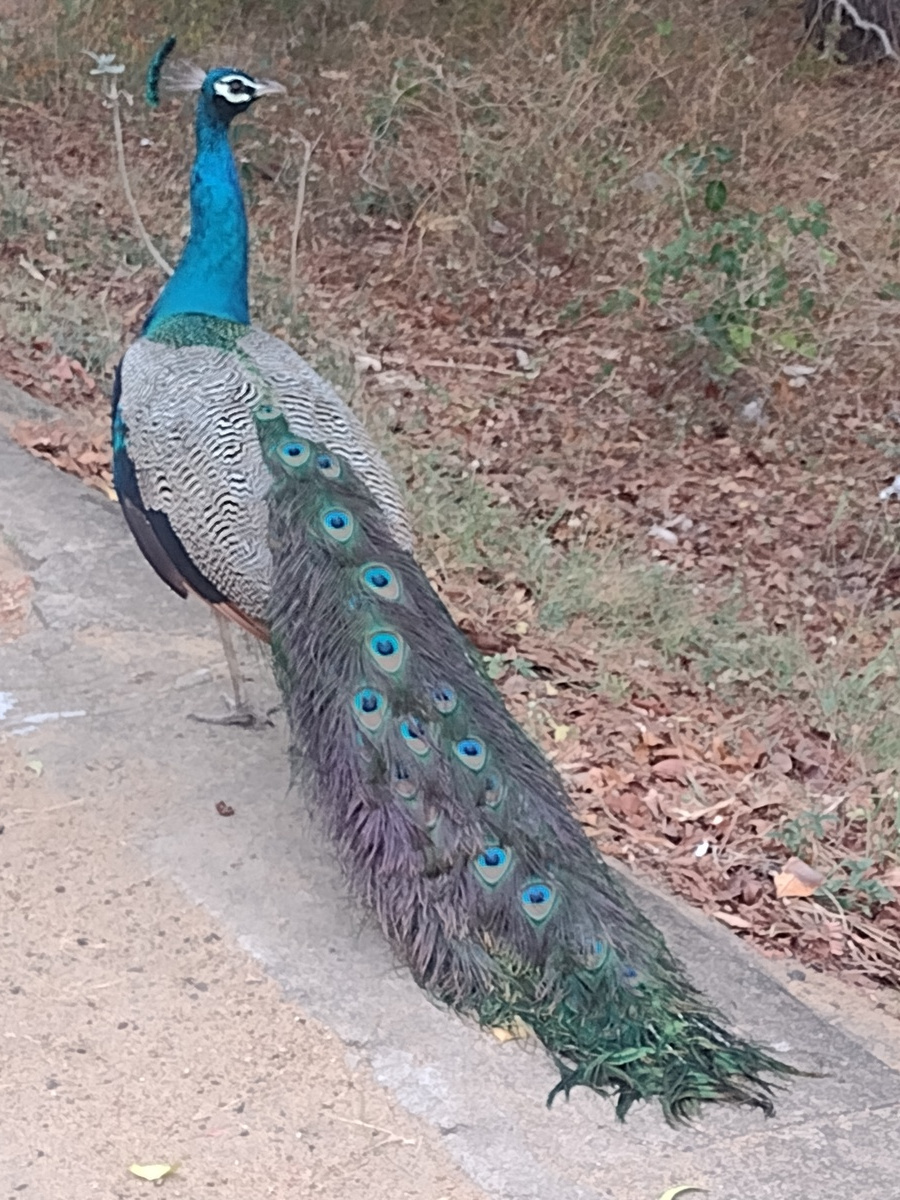 The streets were abuzz with vendors selling various wares – everything from seashells and coconuts carved to look like monkeys to the pashmina and silk scarves. A ton of tattoo artists were out laying ink in entirely unsanitary conditions. South Indian dosa corners, northern style restaurants and Punjabi dhabas lined the streets in a medley of India’s culinary tastes. Beggars and scam artists worked their hardest to separate tourists from their money on the grounds of sympathy or trickery. The one beach overlooking the island monument and the sunrise piers were swarming with sightseers with their cell phone cameras.
 That last night in India, Tyler, the Minnesotan with whom I shared the floor at Sivasoorya Ashram, had just left the ashram and was planning a night out on the town with the massage therapists who took care of us during our stay. Aneesh, Jack and Altaph, along with their friends Sajee and Hari, met up with us at Kovalam and we loaded up into Hari’s van and headed north to the beach town of Varkala to a restaurant where a DJ would be performing.
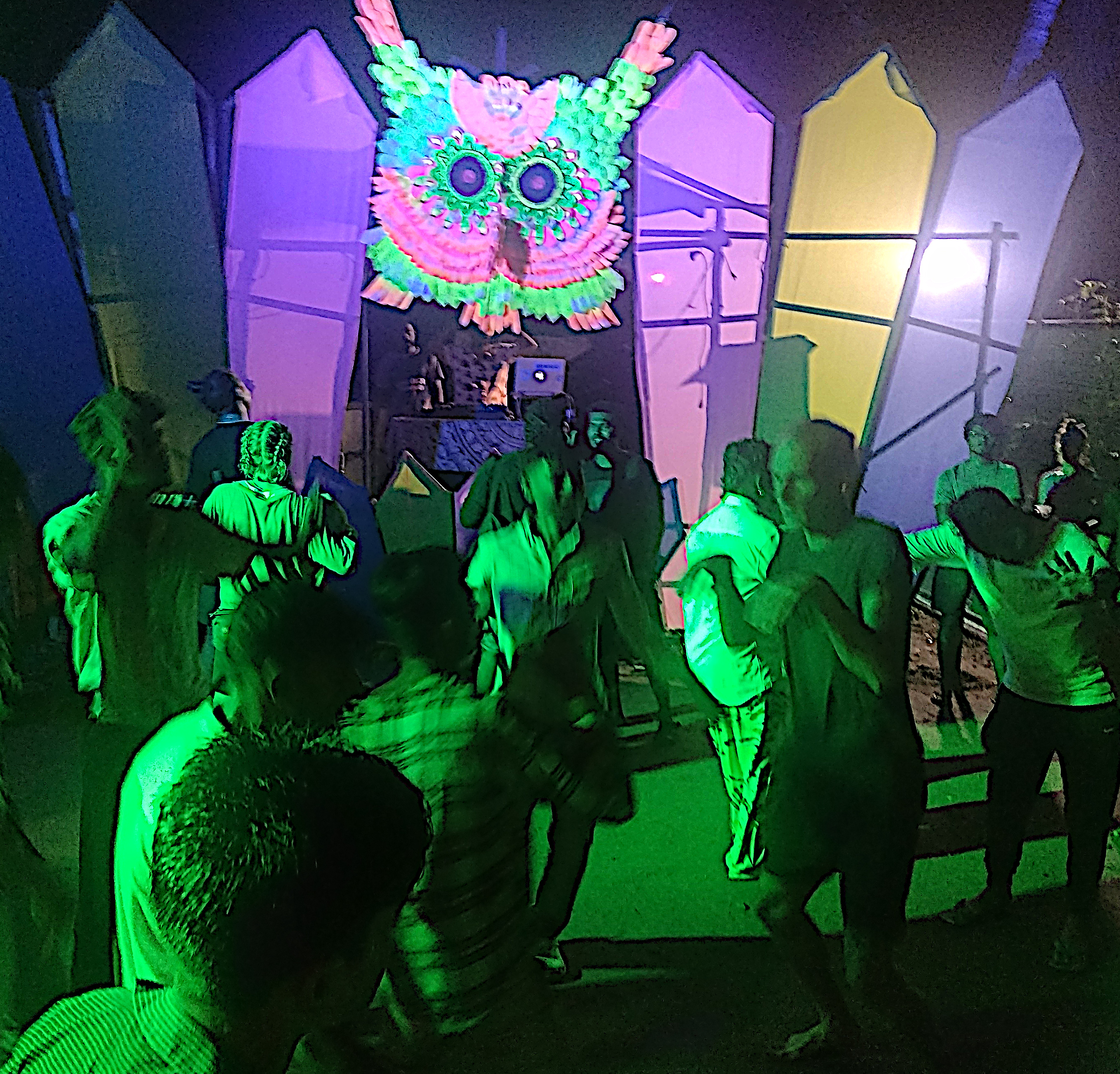 It reminded me much of the night in Goa when Ganga, Steve, Maria, Meri, Sadie and I all loaded up on scooters and headed to an ecstatic dance in Arambol. There is nothing quite like celebrating the unity of this mystical tribe we are all a part of as dancing wildly out in nature.