When I first started my first ten-day Vipassana meditation course, I considered calling this column Vipassana Lite. It wasn’t necessarily so bad as the Vipassana I had heard about, but I knew I would still get some decent results.
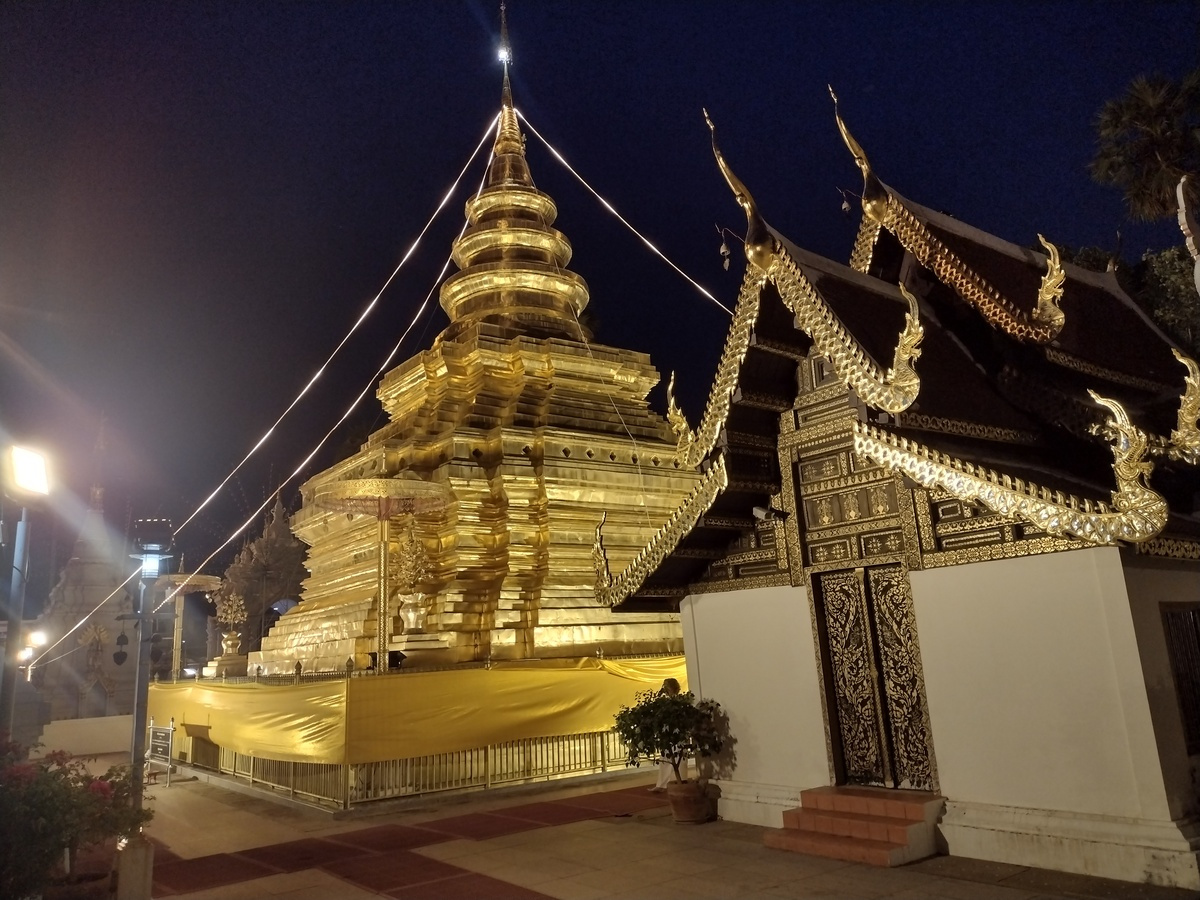
But as the ten days progressed, I thought that title sounded a little flippant for the subtly profound experience that our time at the Wat Phra That Si Chomtong temple and monastery in Chomtong, Thailand, has provided.
Then after completing the closing ceremony on the next to last night at the monastery Phra Ajahn Chotirat, one of the international Vipassana program instructors, made the comment:
We are not a kindergarten. We are a university.
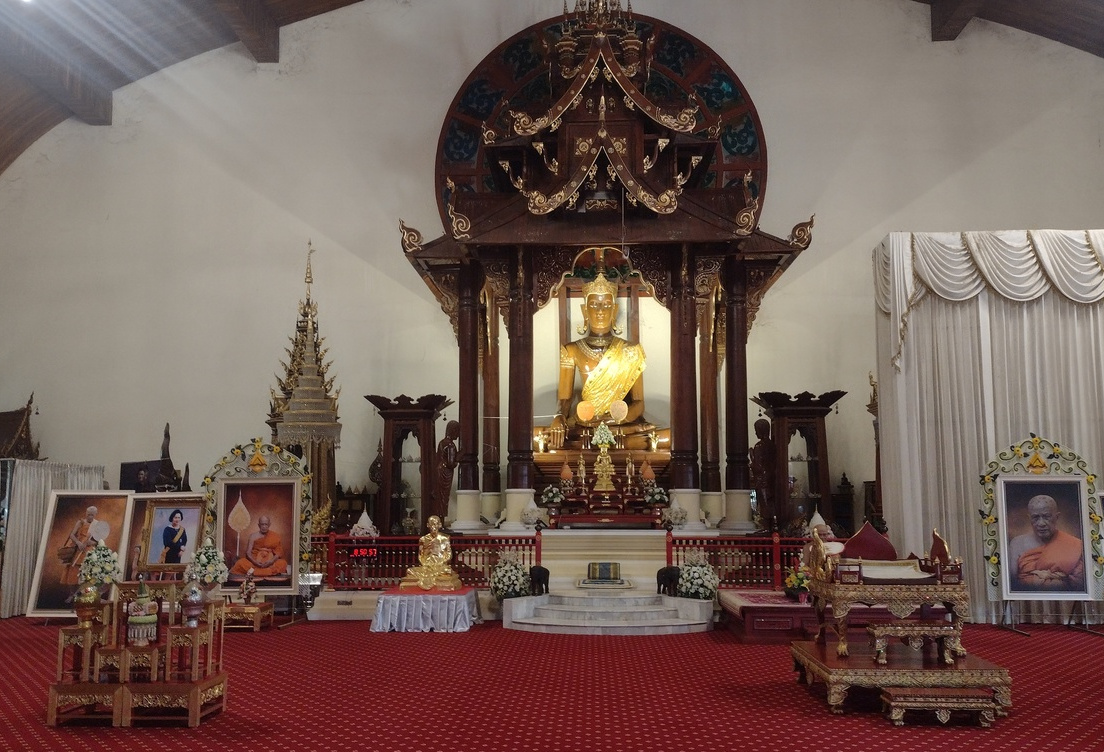
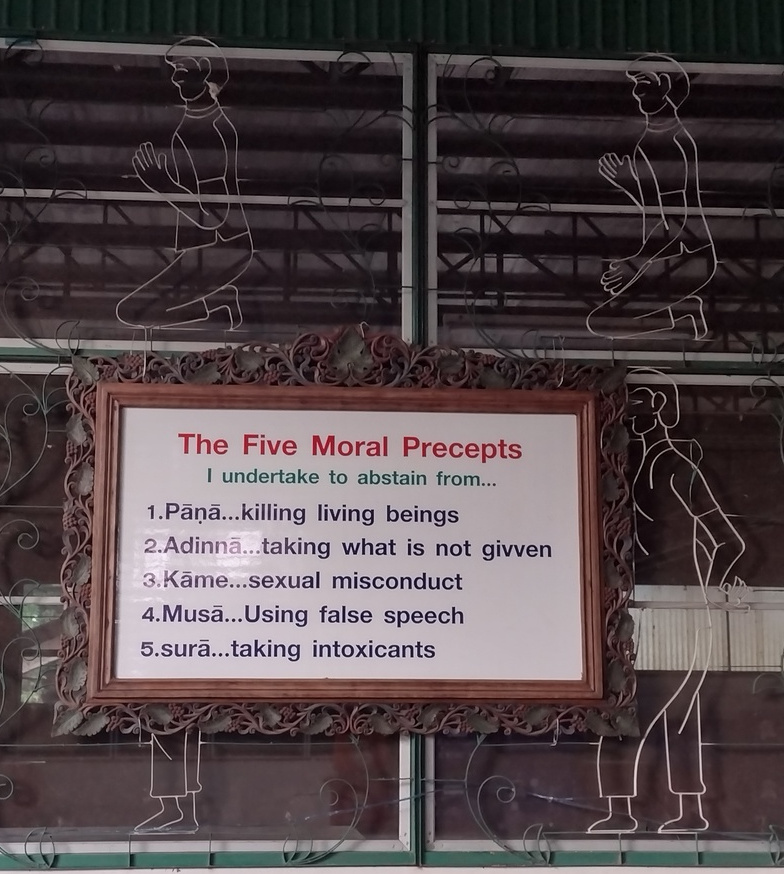
His comment was referencing the fact that the monastery does not take cell phones from participants and allows each individual much more freedom than some Vipassana programs. The guidelines are there, but ultimately it is up to the individual to decide how much effort to put into the practice. Just as with any other course of study, we only get our as much as we put in.
I found his comparison to a university fitting on so many different levels. Not only does the monastery allow individuals the freedom to choose how they will follow the precepts, but they offer a selection of engagement that is not limited strictly to meditation.
It is a chance to live among monks and nuns in their daily lives and have a firsthand experience of the Theravada Buddhist monastic life. But for the individual very serious about meditation, the opportunity is there to sequester oneself away and practice vigorously.
 During my stay at the Sivasoorya ayurveda ashram, as I was considering my next moves after leaving India, the encouragement of a couple of fellow pashus and Guru Raviji’s repeated instructions during morning yoga classes to “go for the deep relaxation technique of Vipassana,” I decided to give it a try.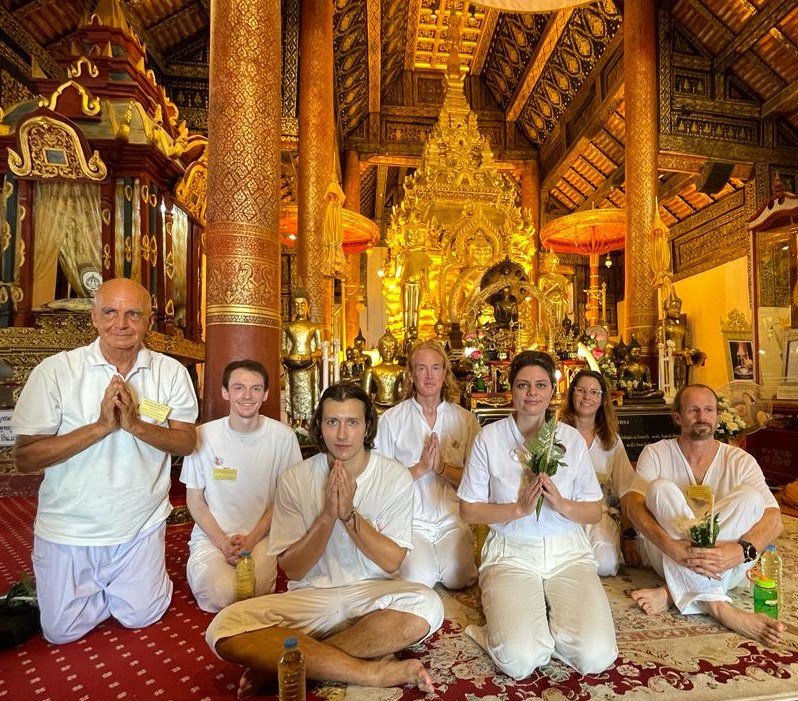
 That first afternoon, I saw monks, nuns and other individuals in white coming and going – some were using cell phones, talking quietly among themselves and basically breaking all the rules I had associated with Vipassana retreats. It was nothing like the ideas I had of being locked up in a crowded room of meditators and being forced to practice in silence 12 to 16 hours a day.
 In our yoga course, we referred to this as the kundalini awakening or rising. It can be a pretty powerful experience and when it happens suddenly for some people it can be rather jarring. Over the months since the course, I have practiced several of the pranayamas, or breathing techniques, and other kriyas or exercises that help facilitate this process.
 The mudra the Buddha is shown in meditation, with both palms in his lap and thumbs touching, is the first step in achieving this balance during Vipassana meditation. It allows energy to flow through these energy channels at the base of the spine.
 During my two months on the Buddhist pilgrimage path, I stayed at several different monasteries, but with the exception of the Sri Lanka monastery in Kaushambi, I never really had much interaction with the monastics. I would see monks coming and going at these monastery / hotels on the tour, but I didn’t really feel a part of the community.
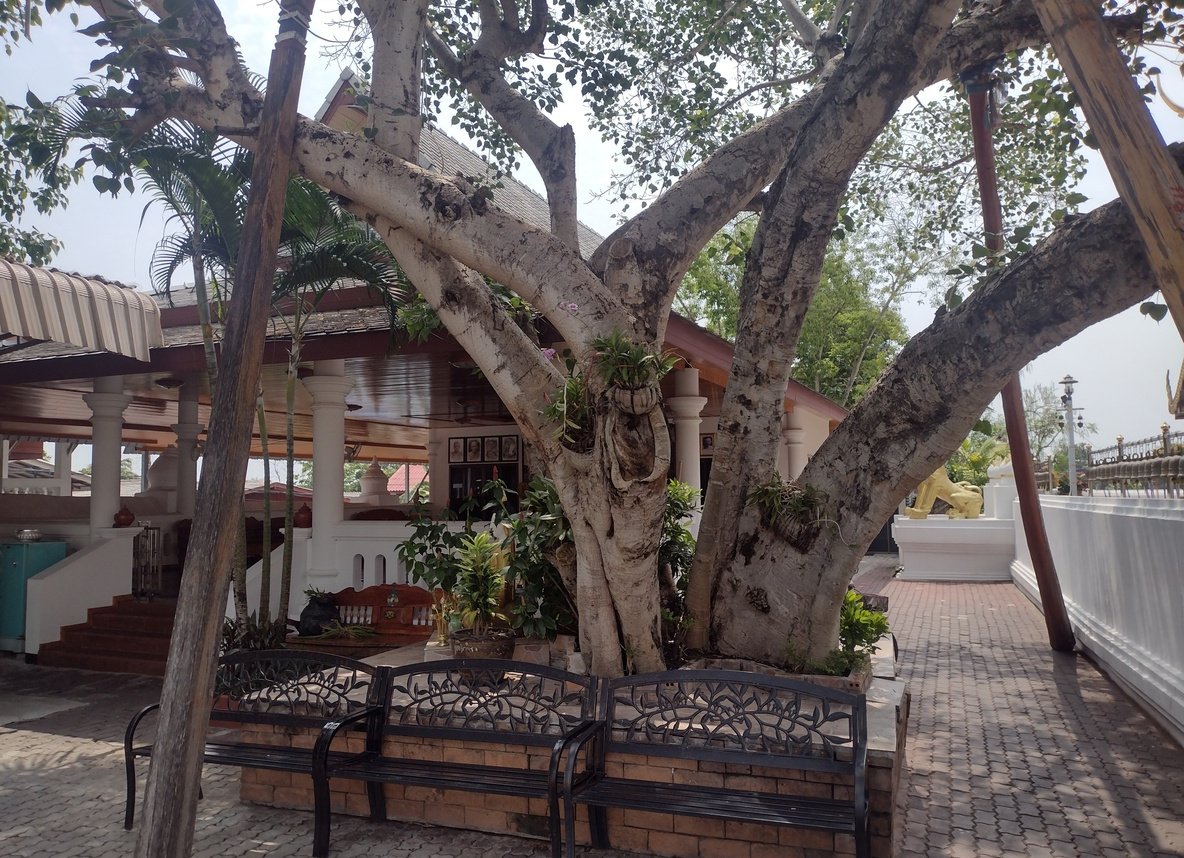 As I sat under the nearby bodhi tree on my final evening at Wat Chomtong, I saw a slowly spinning carousel of white light as the serpent energy hovered above me. I was perfectly at peace with myself at least for that moment in space and time. This sense of pure contentment, even if it isn’t quite pure Vipassana is a pretty fine result of meditation.